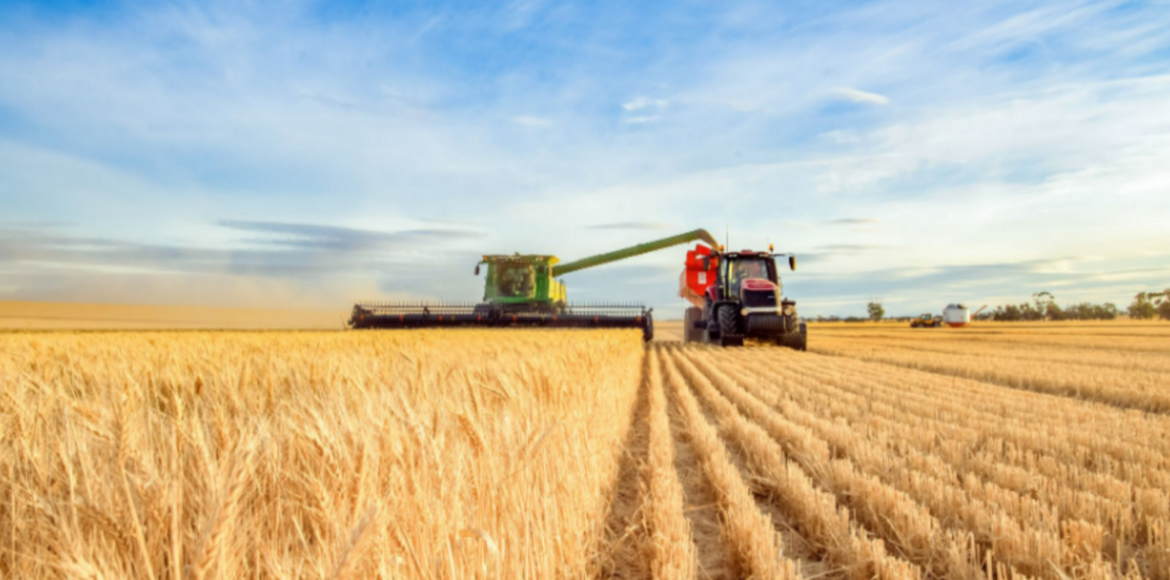
While much of the conversation has focused on crop yields and farm profitability, challenging seasons can also have important implications for agricultural motor risks.
We spoke to Chris Denton, Senior Trading Underwriter for Agricultural Motor, about what brokers should be discussing with their farming clients as harvest activity continues and operational pressures remain high across the season.
Chris, why should motor brokers be paying attention to reports about a poor harvest?
“When harvests are affected by extreme weather, the impact extends beyond crop yields. Farming businesses often come under increased financial and operational pressure, which can influence how agricultural vehicles are used, maintained and managed.
In difficult seasons, we can see more intensive use of machinery, tighter harvesting windows and greater pressure to complete work quickly. All of these factors have the potential to increase motor-related risks.”
What are the key areas brokers should be discussing with farming clients?
“It's a good opportunity for brokers to review a client's whole agricultural vehicle operation.
I'd encourage conversations around:
- Whether all agricultural vehicles and attachments are correctly declared and insured.
- Driver suitability, training and licence requirements, particularly where seasonal staff are being used.
- Vehicle maintenance schedules and inspection records.
- Road risk exposures, especially if machinery is travelling further between fields, storage facilities or contract farming locations.
- Whether tractors, combines and other agricultural vehicles are insured for values that accurately reflect today's replacement costs.
Many agricultural machines have increased significantly in value in recent years, so ensuring sums insured remain up to date is particularly important.”
How can difficult harvest conditions lead to an increase in accidents?
“Extreme weather often creates operational challenges that can increase the likelihood of incidents.
For example, tighter harvesting windows can result in:
- Longer working hours.
- Increased vehicle movements.
- Greater use of temporary or less experienced operators.
- More agricultural machinery travelling on public roads.
When you combine those factors with the normal pressures of harvest, the risk of collisions, accidental damage and third-party liability incidents can increase.
That's why proactive fleet risk management and driver awareness are so important.”
What role does vehicle maintenance play during a poor harvest year?
“Maintenance is absolutely critical.
One of the less obvious consequences of a poor harvest is that reduced income can place additional pressure on budgets. In some cases, non-essential servicing or repairs may be deferred.
However, postponing maintenance can create much greater issues later on. It can increase the likelihood of:
- Mechanical failures.
- Breakdown losses.
- Road traffic incidents involving defective equipment.
- More extensive and costly repairs.
Regular inspections, servicing and documented maintenance programmes remain some of the most effective ways to reduce agricultural motor risk.”
Are there any seasonal risks that brokers should be reminding clients about as harvest work continues?
“Fire remains a significant concern during hot, dry harvest conditions.
Agricultural machinery often operates for long periods in dusty environments. Dust accumulation, elevated operating temperatures and prolonged working hours can all increase the potential for machinery fires.
Simple preventative measures can make a real difference, including regular cleaning of machinery, routine inspection of electrical systems and ensuring appropriate fire extinguishers are available and maintained.
We've explored this topic in more detail in a previous blog and would encourage brokers and clients to review those fire prevention measures throughout the remainder of the harvest season and during periods of sustained machinery use.”
What's your key message for brokers supporting farming clients this season?
“The challenges facing Harvest 2026 are another reminder that weather-related events can affect far more than crop production.
For brokers, now is the time to have proactive conversations with clients about vehicle safety, maintenance, driver management and fleet exposures, helping them manage risks during the remainder of the harvest season and beyond.
Good risk management and regular insurance reviews won't change the weather, but they can help ensure businesses are better protected when conditions become increasingly unpredictable.”