As the countdown to Black Friday and Cyber Monday begins, businesses across the UK's supply chain are preparing for one of the busiest trading periods of the year.
While consumers focus on finding the best deals and retailers prepare for a surge in sales, a vast network of vehicles and operators is gearing up to keep goods moving. From bustling ports, runways and warehouses to motorway networks and residential streets, specialist vehicles work together at every stage of the journey to ensure products reach their final destination.
Let's take a look at the journey behind every Black Friday delivery.
Bringing goods to the UK
Long before a customer clicks "Buy Now", products are already making their way to the UK from manufacturers and suppliers around the world.
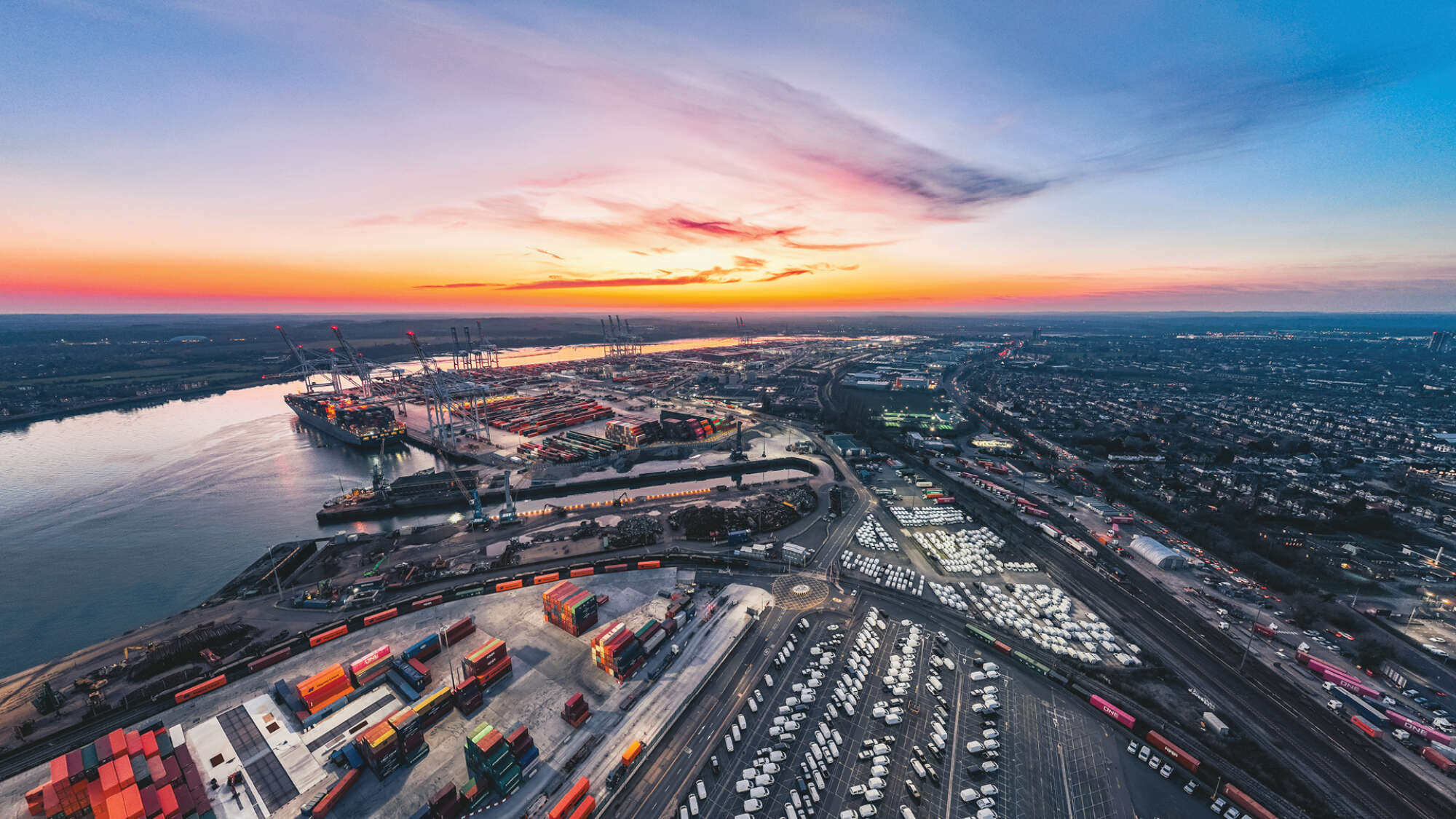
Many of these goods arrive by sea, transported in vast shipping containers carrying everything from electronics and household goods to clothing and consumer products.
As cargo vessels arrive at UK ports, an army of specialist vehicles takes over. Terminal tractors shuttle trailers across busy port estates, reach stackers and container handlers move loaded shipping containers and yard vehicles transport freight through complex dockside operations. Alongside them, tug operators support the safe movement of vessels into and out of port facilities, helping keep goods flowing efficiently through the UK's busiest gateways.
With ports handling significant volumes of freight every day, these specialist commercial vehicles play a crucial role in keeping goods moving efficiently.
Not every product arrives by sea
Many high-value, time-sensitive and consumer goods enter the country through airports, particularly during peak trading periods when retailers are working hard to keep shelves stocked and fulfil customer demand.
As aircraft arrive, an army of specialist airside vehicles takes over. Cargo loaders and high loaders transfer freight from aircraft holds, while cargo transporters, dollies and freight trailers move shipments around busy airside environments. Baggage and freight tractors tow loaded units between aircraft and cargo facilities, and forklifts and other material handling equipment support the unloading, sorting and preparation of goods for onward distribution. Alongside them, airside inspection and support vehicles help keep operations running smoothly, ensuring freight continues its journey safely and efficiently through the airport.
As demand builds ahead of major shopping events, airports face the challenge of managing increasing cargo volumes while maintaining smooth operations. Every vehicle plays a critical role in ensuring goods continue their journey without delay.
The unsung heroes
Before goods can be loaded onto an HGV or handed to a courier, they often rely on specialist commercial vehicles working tirelessly behind the scenes.
Whether operating on a busy dockside, within an airport cargo facility or inside a distribution centre, these vehicles play a crucial role in keeping supply chains moving. Reach stackers position shipping containers ready for processing, terminal tractors shuttle trailers through ports, and cargo loaders help transfer freight safely through airport operations. Across warehouses and logistics hubs, forklifts and pallet movers ensure goods continue their journey efficiently from one stage of the supply chain to the next.
Although many of these vehicles never travel on public roads, they are essential to maintaining the flow of goods through some of the UK's busiest operational environments. Without them, modern supply chains would struggle to keep pace with demand, particularly during major retail events when volumes increase significantly and every stage of the journey faces additional pressure.
Keeping warehouses and distribution centres moving
Once goods arrive at warehouses and distribution centres, a carefully coordinated fulfilment process begins.
For many warehouse operators, Black Friday is not a single day but weeks of preparation. Stock levels increase, order volumes rise and facilities often operate extended hours to meet customer demand. Incoming shipments must be received and stored efficiently, inventory needs to be managed carefully and thousands of customer orders must be picked, packed and prepared for dispatch.
Supporting these operations are a range of vehicles and technologies, including forklift trucks, pallet trucks and order-picking vehicles. Increasingly, automated guided vehicles (AGVs) and autonomous mobile robots (AMRs) are also helping fulfilment centres manage growing volumes of stock with greater efficiency.
Maintaining smooth operations throughout these facilities is critical. Every process, every vehicle and every team member plays a role in ensuring products continue moving through the supply chain and reach customers on time.
Connecting the network
With goods packed and ready for delivery, transportation operators take over.
HGVs, articulated lorries and specialist transport vehicles move goods across the UK. Covering hundreds of miles each day, these vehicles form the backbone of the supply chain, connecting every stage of the journey from import to delivery.
During major retail events such as Black Friday and Cyber Monday, transportation businesses often face increased volumes, tighter schedules and greater operational demands. Vehicles may spend more time on the road, depots become busier and customer expectations continue to rise.
It is during periods like these that resilience becomes especially important. Businesses need the confidence that they can continue operating effectively, even when faced with unexpected challenges.
At ERS, we understand the unique pressures faced by transportation operators and the important role they play in keeping goods moving across the UK.
The final mile
Perhaps the most visible stage of the journey is the final mile.
Courier vans and light commercial vehicles become a familiar sight on roads across the country as millions of parcels make their way to homes and businesses. While customers track deliveries from their smartphones, thousands of drivers are working behind the scenes to ensure packages arrive safely and on time.
For courier operators, peak trading periods bring both opportunity and pressure. Increased parcel volumes, demanding delivery schedules and longer operating hours can all place additional strain on vehicles and operations.
As specialists in motor insurance, we recognise that courier businesses require protection that reflects the realities of their day-to-day work. Supporting these operators means understanding the environments they work in and the challenges they face during some of the busiest weeks of the year.
Protecting the businesses behind the deliveries
While shoppers eagerly await parcels arriving on their doorstep, an entire ecosystem of businesses is working tirelessly behind the scenes to make those deliveries possible.
As activity ramps up across the supply chain, protecting the vehicles and operators that keep Britain moving becomes more important than ever.
At ERS, we're proud to support transportation, courier and specialist commercial vehicle operators with insurance solutions designed around the realities of their day-to-day operations, helping them stay protected throughout the year, including during their busiest seasons.
This Black Friday, while consumers focus on what's inside the parcel, we're recognising the businesses, people and vehicles that make every delivery possible.